
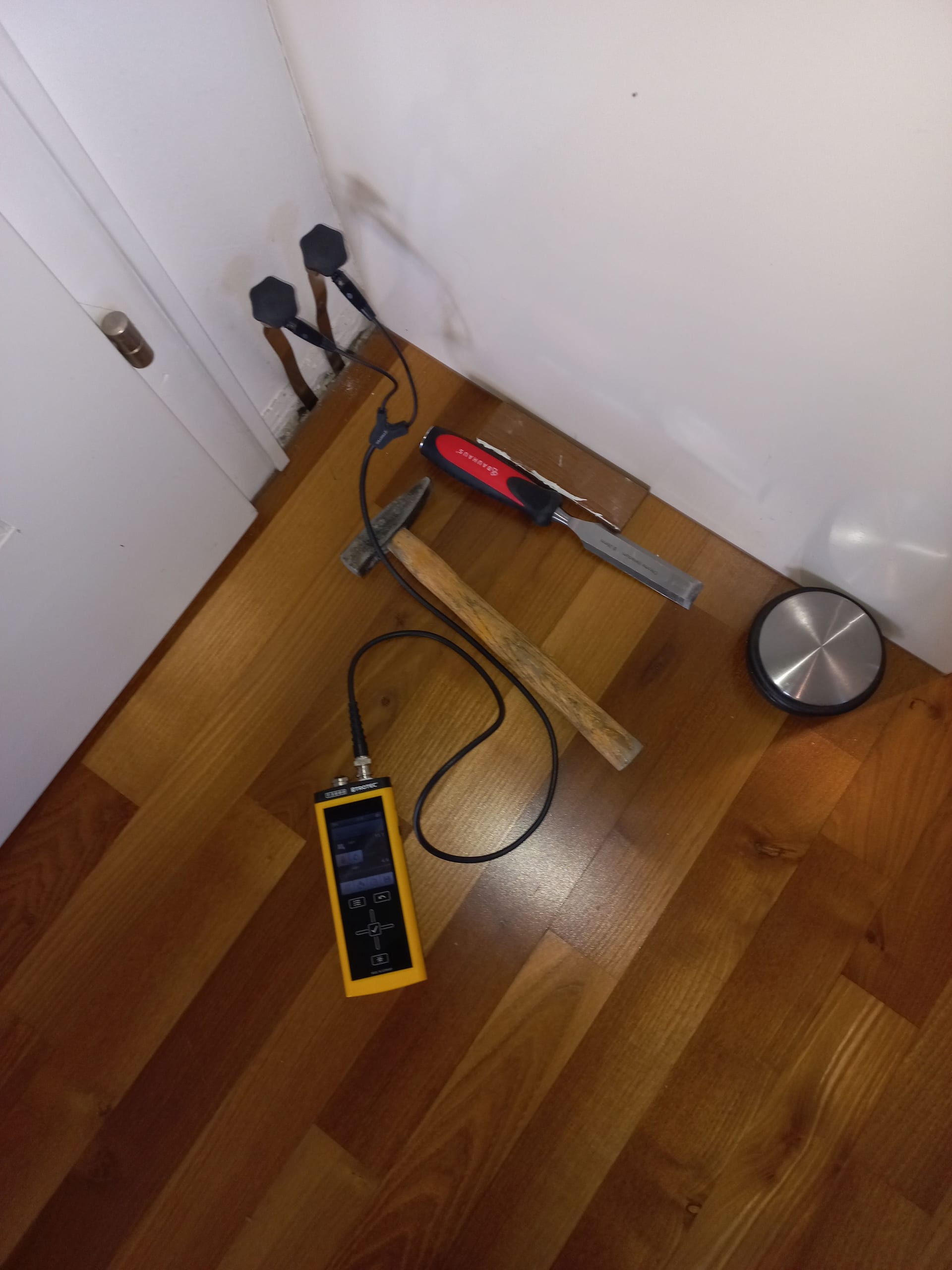
Surface dryness is only one observation
A floor may feel dry while moisture remains below it. Building assemblies, finishes and access affect what an assessor can measure. Ask which surfaces and concealed areas were checked, which instruments were used and what remains uncertain. A reading is meaningful only with its material and measurement context.
Ask what the equipment is intended to achieve
Discuss the air movement, humidity control and access needed for the affected materials. Ask about power requirements, noise, room use and any safety precautions. Do not move machines or change ventilation without checking with the person managing the drying plan.
Request a progress record
Ask when readings will be taken, how they compare with the initial assessment and how adjustments are decided. If equipment stays longer than expected, request the reason and the additional cost. Neither Tucson’s dry climate nor a fixed rental period proves that a wall cavity is ready to close.
Know when another assessment is needed
Persistent odor, visible growth or water from an uncertain source may require a different scope. Discuss mold remediation or contamination concerns before using airflow as a universal response. Equipment appropriate for one problem may be unsuitable for another.
Agree on the handoff to repairs
Ask for the completion criteria, final findings and remaining exclusions in writing. The reconstruction contractor should understand which materials were removed and which areas were inspected. Keep the record with your photographs and work authorizations. A drying report does not by itself certify every structural, electrical or health condition.
Connect the guidance to the service
Review structural drying before discussing the assessment. Confirm the business, address availability, charges and written scope directly.
Official resources
Resources support general guidance. They do not establish provider availability or endorsement.