
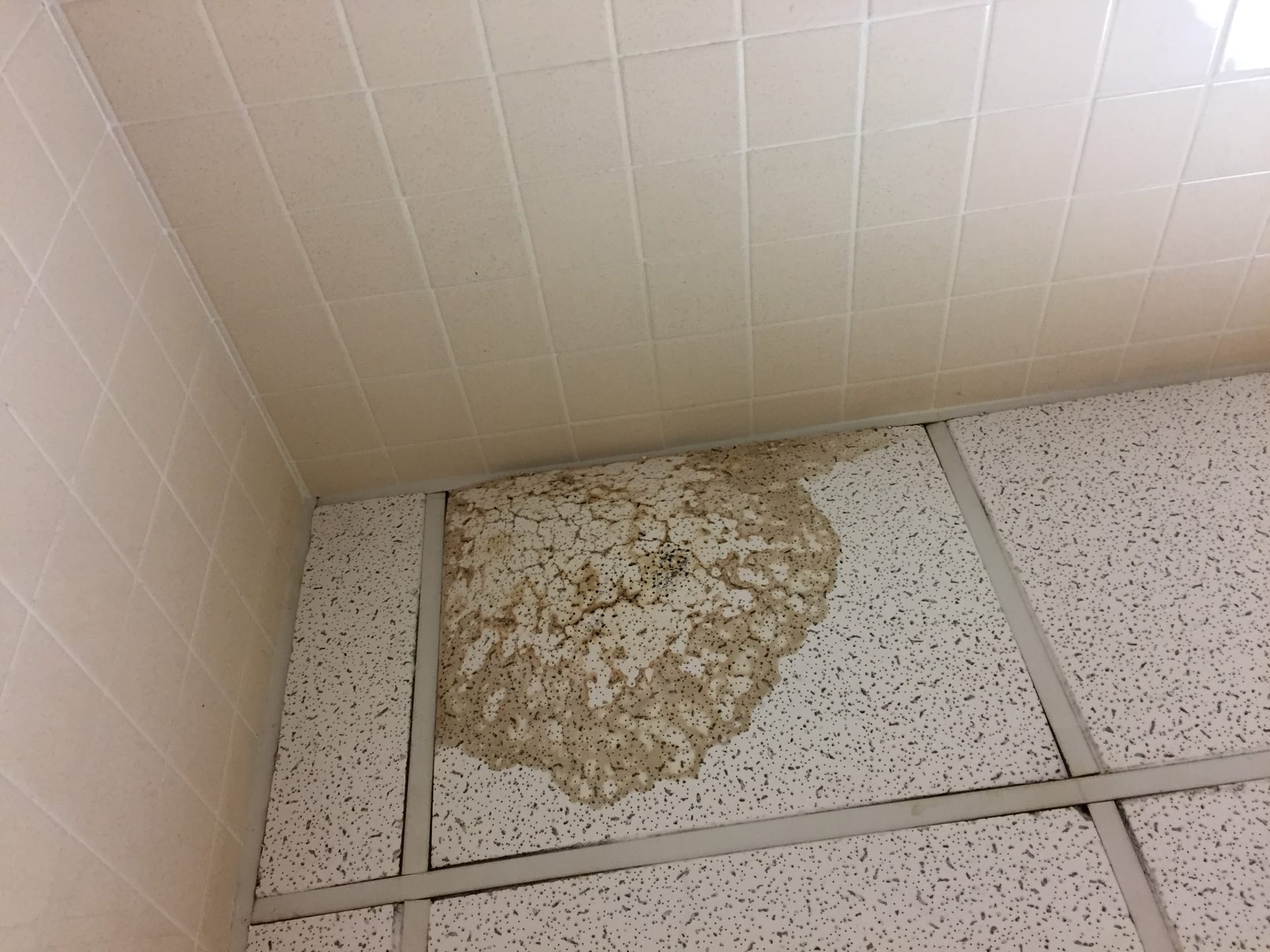
Start with facts you can observe safely
Record discovery time, affected rooms and visible symptoms. Take wide views followed by details only where access is safe. Avoid moving hazardous material or standing beneath damage to obtain a better photograph. Separate observations from guesses about source, duration or fault.
Keep a room-by-room record
Use one folder for each affected room. Save photographs, a short description and the date. Include belongings with identifying details when available, but do not publish personal information or private household documents. Ask your insurer about its preferred inventory format and disposal instructions.
Save the decisions as well as the damage
Keep inspection notes, estimates, signed authorizations and change orders in one place. Record the company name and the person who approved each change. If separate businesses handle plumbing, drying and reconstruction, note where one responsibility ends and the next begins.
Ask for records of the work
Request relevant moisture notes, equipment dates, material-removal decisions and the final invoice. If a report uses technical terms you do not understand, ask the provider to explain the practical meaning and limitations. Compare the completed work with the agreed scope and line items.
Use your insurer’s process
Report the incident through your insurer’s own channel and ask about deadlines, evidence and authorization. This guide does not decide coverage or replace policy terms. Keep the claim reference separate from public reviews or social posts. The hiring questions help you verify the business before sharing information or signing work orders.
Connect the guidance to the service
Review ceiling & wall water damage before discussing the assessment. Confirm the business, address availability, charges and written scope directly.
Official resources
Resources support general guidance. They do not establish provider availability or endorsement.